July 3, 2026
How Cloud Computing Benefits Small Businesses
Discover how cloud computing helps small businesses reduce costs, improve flexibility, and scale operations with less IT overhead.
How Cloud Computing Benefits Small Businesses
For small businesses, technology should make work simpler, faster, and more reliable. Cloud computing does exactly that. Instead of relying on expensive on-site servers and complex maintenance, businesses can use secure, internet-based tools and infrastructure to run day-to-day operations with more flexibility and less overhead.
The real value of cloud computing is not just convenience. It helps small businesses stay competitive, adapt quickly, and scale without building a large internal IT team. Whether you are managing files, running software, supporting customers, or automating workflows, the cloud gives you access to capabilities that were once reserved for larger companies.
What Cloud Computing Means for Small Businesses
Cloud computing is the delivery of computing resources over the internet. That includes storage, applications, servers, databases, and development tools. Instead of hosting everything locally, businesses access what they need through cloud platforms.
For small businesses, this means less time managing hardware and more time focusing on growth. Teams can work from anywhere, systems can be updated centrally, and new tools can be added without major infrastructure changes.
Lower Upfront Costs and Less IT Burden
One of the biggest advantages of cloud computing is the shift away from heavy upfront investment. Traditional IT setups often require servers, network equipment, software licenses, and ongoing maintenance. For a small business, that can tie up capital and create unnecessary complexity.
Cloud services reduce that burden by moving infrastructure management to the provider. You only use the resources you need, and you avoid many of the hidden costs that come with owning and maintaining hardware. That makes budgeting more predictable and helps smaller teams allocate resources toward sales, service, and product development.
It also reduces the pressure on internal staff. Instead of troubleshooting servers or handling software installations manually, your team can focus on core work. For businesses without a dedicated IT department, that can be a major advantage.
Flexibility for Remote and Hybrid Teams
Small businesses are rarely built around one fixed work environment anymore. Employees may work from home, travel frequently, or split time between locations. Cloud computing supports that reality.
Because cloud-based tools are accessible through the internet, team members can securely access files, systems, and applications from almost anywhere. That improves collaboration and keeps work moving when people are not in the same office.
This flexibility is especially valuable for businesses that depend on responsiveness. Sales teams can update records in real time. Operations teams can coordinate tasks without waiting for in-office access. Leaders can monitor performance and make decisions faster.
Easier Scaling as Your Business Grows
Growth is a good problem to have, but it can expose weak technology foundations quickly. A system that works for five employees may struggle at fifteen or fifty. Cloud computing gives small businesses room to scale without rebuilding from scratch.
Need more storage? Add it. Need to support more users? Expand access. Need a new application or workflow? Deploy it without waiting for new hardware to arrive.
This kind of scalability is useful for seasonal businesses, fast-growing startups, and service companies that experience changing demand. Instead of overbuilding in anticipation or scrambling when demand rises, you can adjust infrastructure as needed.
Stronger Business Continuity and Data Protection
Unexpected disruptions can affect any business. Hardware failures, office outages, and local disasters can interrupt work and put data at risk. Cloud computing helps reduce that exposure.
Many cloud platforms include built-in backup, redundancy, and recovery options. That means your data and applications are less dependent on a single device or location. If something goes wrong, operations can often continue from another device or environment with less downtime.
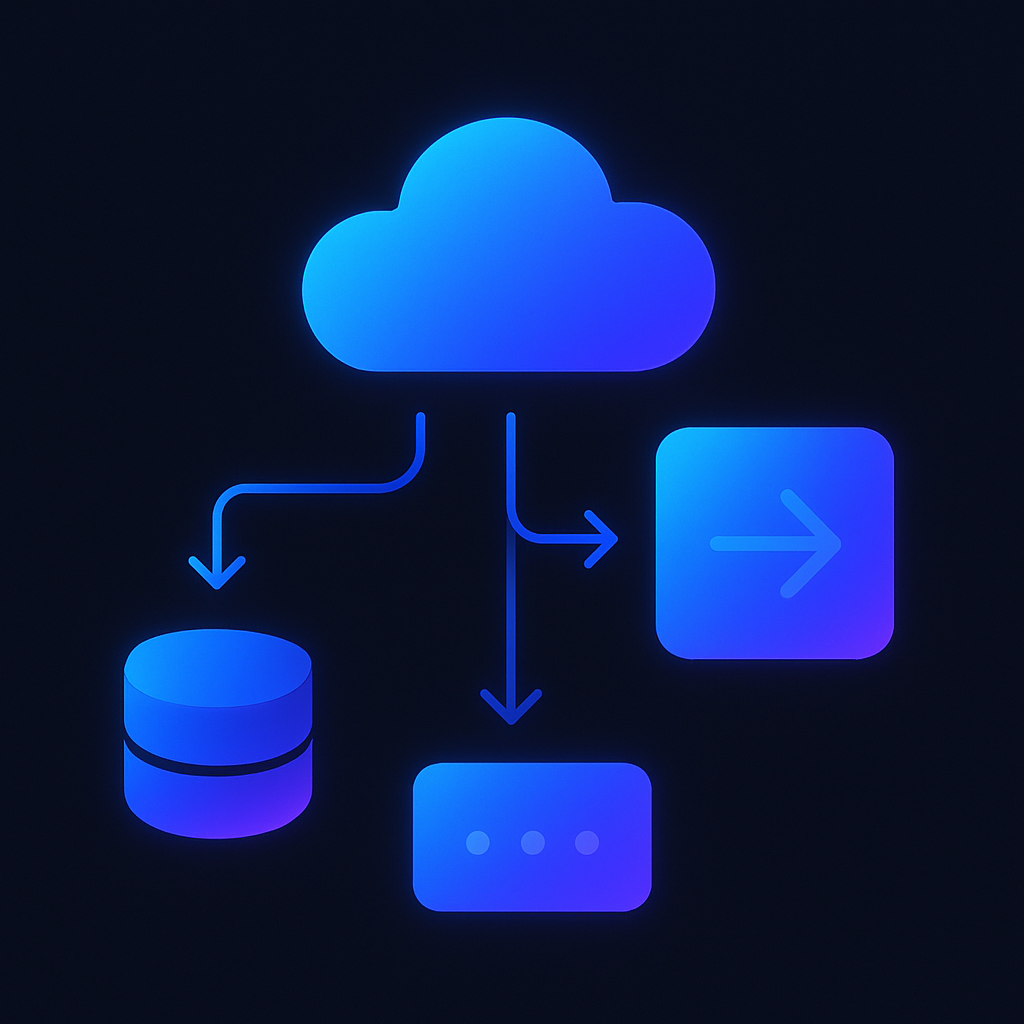
For small businesses, that resilience matters. Lost files, prolonged outages, and manual recovery efforts can be costly. Cloud-based systems create a more stable foundation and help protect business continuity.
Better Collaboration and Faster Workflows
Cloud tools are built for shared access. That makes collaboration easier across teams, departments, and external partners.
Instead of emailing file versions back and forth, teams can work from the same source of truth. Project updates, documents, customer records, and internal processes can all live in connected systems. That reduces confusion and improves accountability.
Cloud computing also supports automation. Small businesses can streamline repetitive tasks such as lead routing, invoicing, approvals, reminders, and reporting. When routine work is automated, employees spend less time on manual administration and more time on meaningful tasks.
Access to Modern Tools Without Heavy Infrastructure
Cloud computing gives small businesses access to tools that would otherwise be difficult to implement. This includes advanced analytics platforms, customer management systems, marketing tools, development environments, and AI-powered applications.
That matters because technology is often a growth multiplier. A small business does not need a large internal engineering team to benefit from better systems. With the right cloud setup, it can deploy tools that improve service, track performance, and support smarter decisions.
For example, a business can use cloud-based systems to:
- Track customer interactions in one place
- Manage internal projects and approvals
- Automate lead follow-up and routine communications
- Centralize documents and team collaboration
- Monitor performance through dashboards and reporting
These capabilities help small businesses operate with more structure and less friction.
Practical Takeaways for Small Business Owners
If you are considering cloud computing, start with these steps:
- Identify the processes that create the most manual work.
- Move high-value documents and workflows into cloud-based systems.
- Choose tools that integrate well with each other.
- Set access controls and backup policies from the start.
- Review which tasks can be automated to save time.
The goal is not to move everything at once. It is to modernize the parts of your business that will create the biggest operational improvement.
Building a Smarter Technology Foundation
Cloud computing is no longer just an option for larger companies. It is a practical foundation for small businesses that want to stay agile, efficient, and ready to grow.
By reducing infrastructure burden, improving collaboration, supporting remote work, and enabling automation, the cloud helps small businesses do more with less. It creates the flexibility to adapt quickly and the stability to grow with confidence.
For businesses looking to build a stronger digital foundation, cloud computing is often one of the most effective places to start.