August 5, 2026
How to Automate Lead Follow-Ups Without Hiring More Staff
Learn how to automate lead follow-ups, respond faster, and convert more prospects without adding headcount or losing the human touch.
How to Automate Lead Follow-Ups Without Hiring More Staff
Lead follow-up is one of the highest-leverage parts of growth, but it is also one of the easiest to let slip. A new inquiry comes in, the team gets busy, and by the time someone responds, the prospect has already moved on. The issue is rarely a lack of interest. It is usually a lack of system.
If your business is growing but your team is already stretched, adding more people is not always the right answer. A better approach is to automate lead follow-ups in a way that keeps response times fast, communication consistent, and your sales team focused on the leads that matter most.
Why lead follow-up breaks down
Most follow-up problems come from predictable gaps:
- Leads arrive from multiple sources, but there is no single process for handling them.
- Sales and marketing tools are not connected.
- Reps spend too much time on repetitive tasks like sending reminders, qualifying inquiries, or scheduling calls.
- Leads are contacted once, then forgotten if they do not reply right away.
When these gaps exist, your team is forced to operate manually. That slows response times and lowers conversion rates. Automation solves this by creating a consistent path from first contact to qualified opportunity.
What should be automated
The goal is not to replace your team. It is to remove repetitive work so people can focus on conversations that require judgment.
The most effective parts of lead follow-up to automate are:
1. Instant response after form submission
Speed matters. When a prospect fills out a form, requests a demo, or downloads a resource, they should receive an immediate reply. That message can confirm receipt, set expectations, and offer the next step.
A strong first response may include:
- A thank-you message
- A brief summary of what happens next
- A scheduling link
- A useful resource related to their request
This keeps leads engaged while your team prepares to follow up.
2. Lead routing and assignment
Not every lead should go to the same person. Some should be assigned by geography, service interest, company size, urgency, or lead score. Automation can route leads to the right rep instantly.
This prevents delays and ensures the right person is speaking to the right prospect from the start.
3. Follow-up sequences
If a lead does not respond to the first message, a sequence should continue the conversation over time. These messages can be scheduled automatically and adapted based on behavior.
For example, a sequence might:
- Send a reminder after one day
- Share a relevant case or guide after three days
- Ask a short qualification question after five days
- Pause automatically if the lead books a call or replies
This keeps the process moving without requiring manual tracking.
4. Internal alerts
Automation should also notify your team when something important happens. That might include a lead opening an email multiple times, visiting a pricing page, or booking a meeting.
These alerts help reps prioritize outreach based on intent instead of guessing.
5. Qualification and scoring
Not all leads are ready for sales. Some are just browsing, while others are actively evaluating vendors. Lead scoring helps separate them.
By using form responses, engagement data, and key actions, you can automatically identify which leads deserve immediate attention and which should remain in nurture until they are ready.
How to build a follow-up system that works
Automation works best when it is built around process, not just tools. Start by mapping your current lead journey from first contact to booked meeting.
Ask these questions:
- Where do leads come from?
- Who receives each type of inquiry?
- What should happen immediately after submission?
- What actions indicate buying intent?
- When should a lead be handed off to sales?
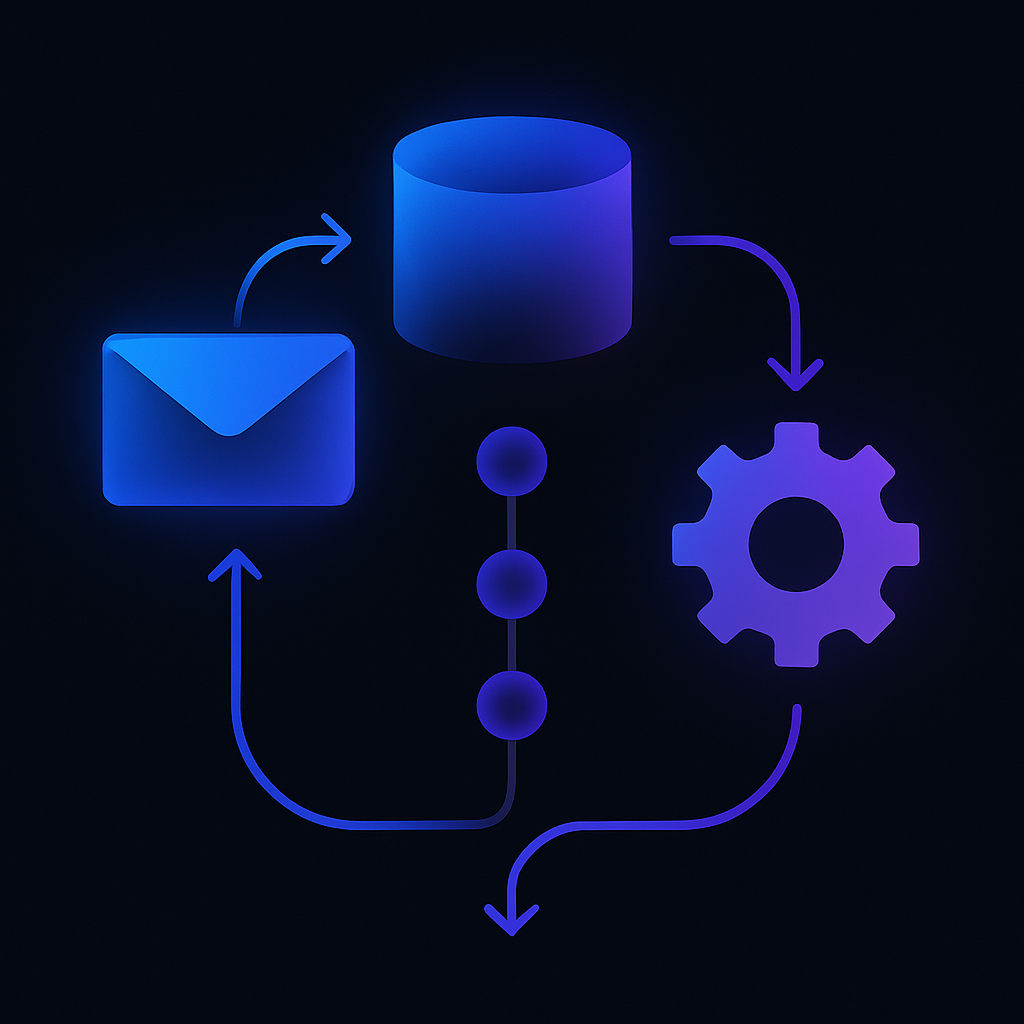
Once you know the journey, design a simple workflow around it. A strong system usually includes your website forms, CRM, email platform, scheduling tool, and internal notifications working together.
A practical setup might look like this:
- A lead submits a form on your website.
- The CRM creates the contact automatically.
- The lead is tagged by source or service interest.
- An immediate confirmation email is sent.
- A rep is assigned based on routing rules.
- A follow-up sequence begins if no meeting is booked.
- Alerts trigger when the lead shows high intent.
- The sequence stops once the lead responds or converts.
The more connected these steps are, the less your team has to manage manually.
Keep the human touch where it matters
A common mistake is over-automating the entire process. That can make outreach feel generic and unhelpful. The best systems use automation for speed and consistency, while keeping human interaction for the moments that influence decisions.
That means your automated messages should be clear, relevant, and useful. They should sound like your brand, not like a mass email. And when a prospect is ready for a real conversation, a person should step in quickly.
Good automation supports relationships. It does not replace them.
Practical takeaways
If you want to improve lead follow-up without hiring more staff, start here:
- Automate your first response so no lead waits.
- Route inquiries automatically to the right person.
- Build short follow-up sequences for unresponsive leads.
- Use alerts to surface high-intent activity.
- Review and refine your workflow monthly.
These five steps can remove a significant amount of manual work while improving consistency across your pipeline.
The real benefit: more capacity, not just more speed
Automated follow-up is not only about responding faster. It gives your team capacity to do better work. Reps spend less time copying information, sending reminders, and checking spreadsheets. They spend more time having meaningful conversations and moving deals forward.
For growing businesses, that difference matters. It means you can handle more leads without creating bottlenecks, improve conversion without adding complexity, and scale your process before scaling your headcount.
If your follow-up depends on memory and manual effort, it will eventually break under volume. If it is built into your systems, it will support growth consistently.
That is the advantage of automation done well: a faster, more reliable pipeline without the overhead of hiring too soon.